PM Career Ladder and

Product Management Grades

Practical guide to progression as a product manager. See how responsibilities change from Associate PM to CPO. Includes PM skill requirements by level and resources to level up.

PM Career Ladder and Product Management GradesPM Career Ladder and Product Management Grades
Grades Progression: Associate PM → CPO
Product management grade requirements from Associate PM to C-level with skill expectations.

Product
Customer
Analytics
Processes
People
PM GRADES EXPLAINED

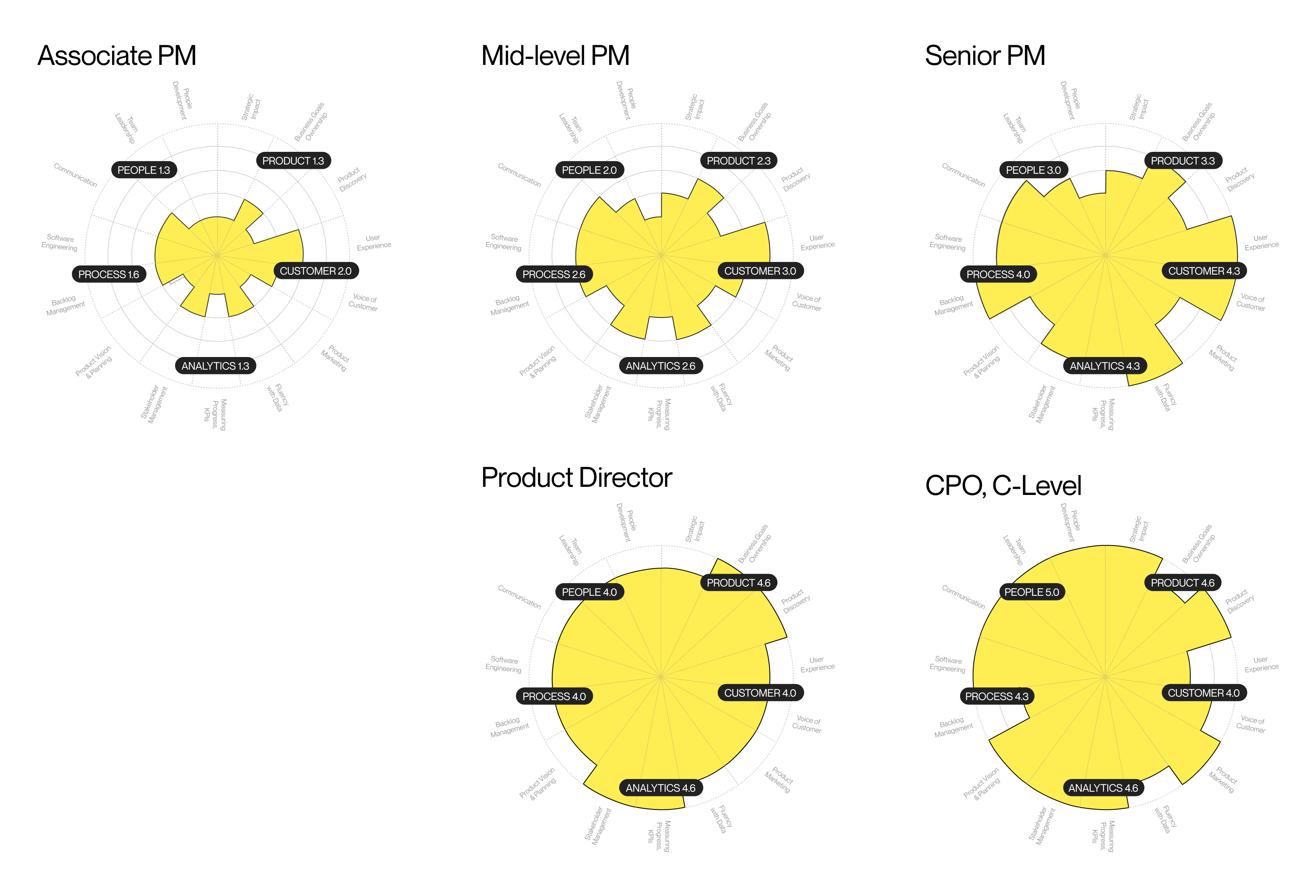
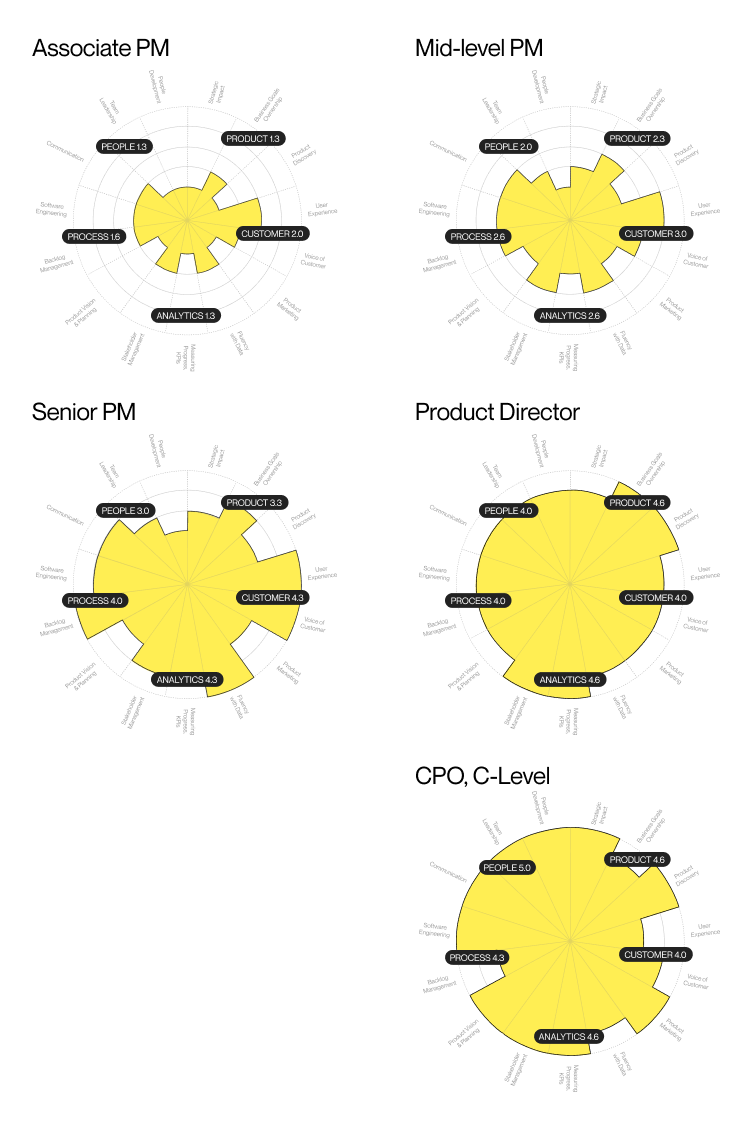
5 product management grades

explaining each role and key responsibilities

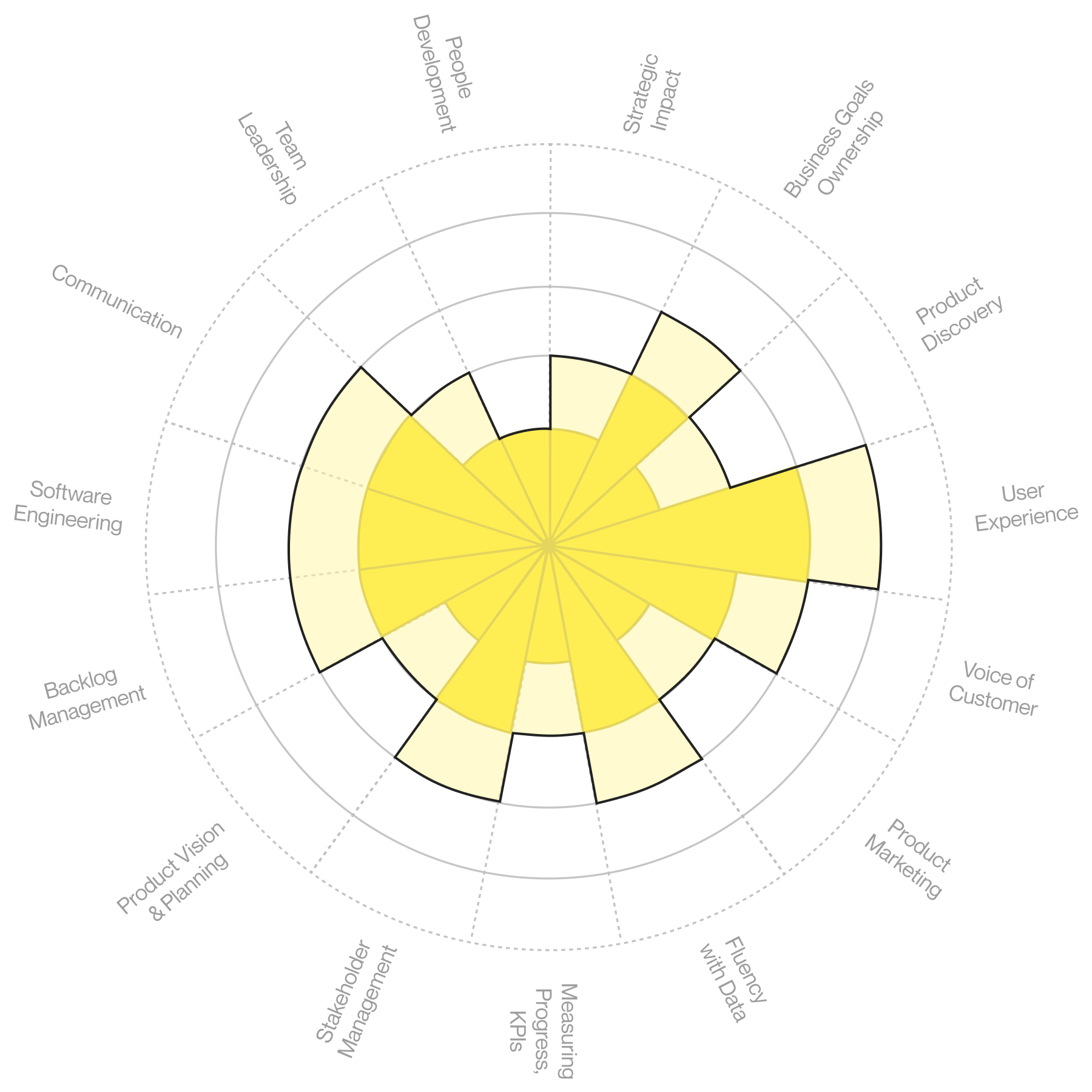
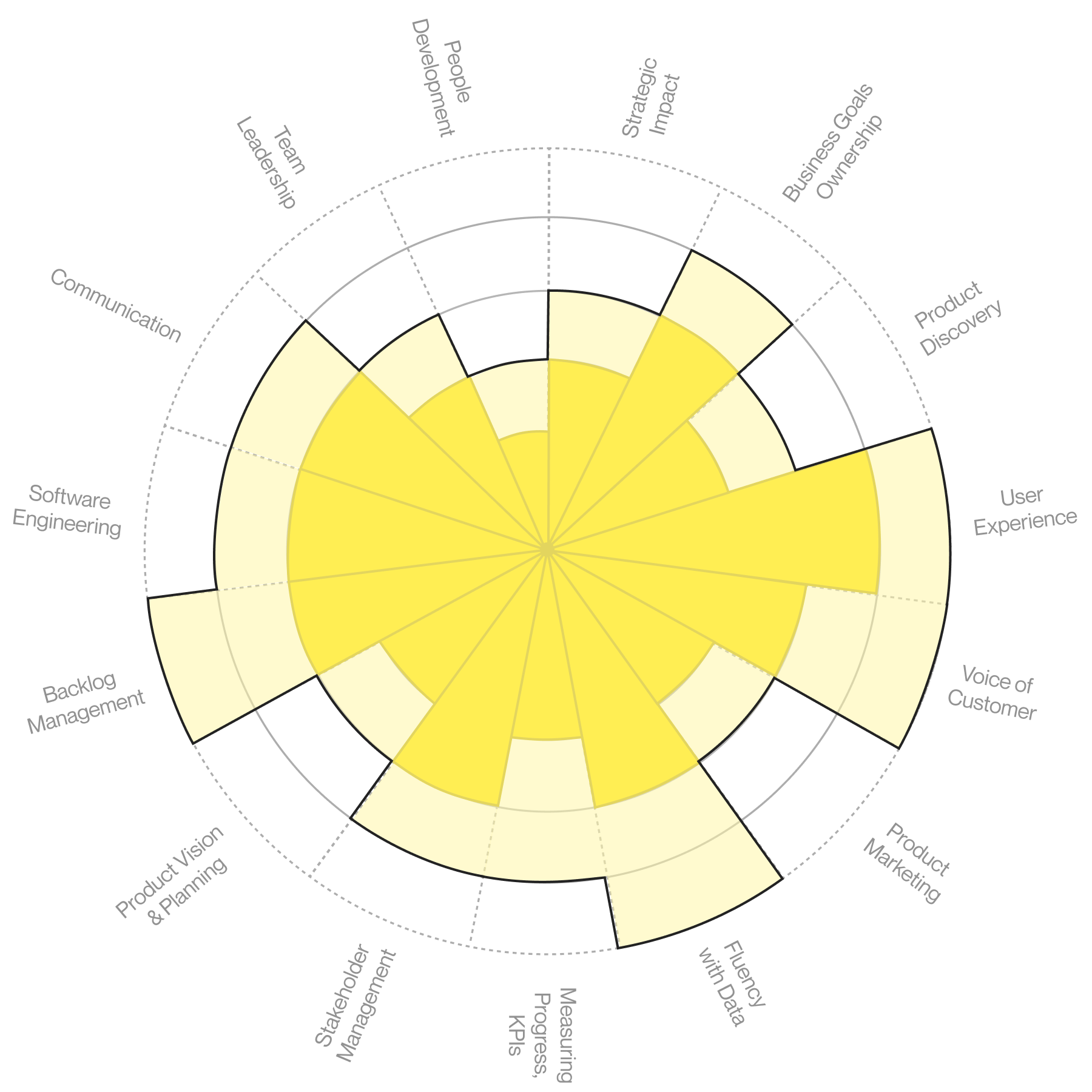
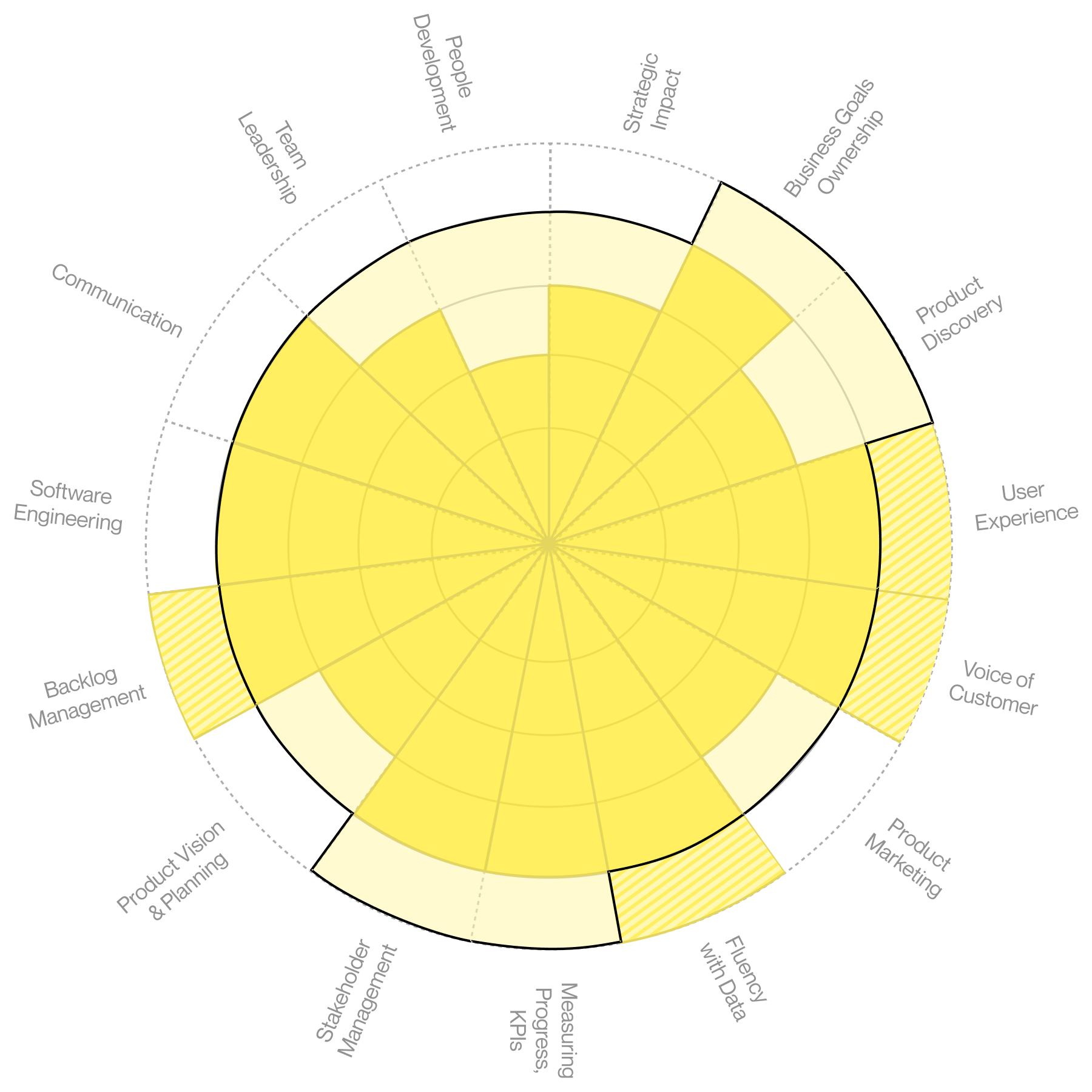
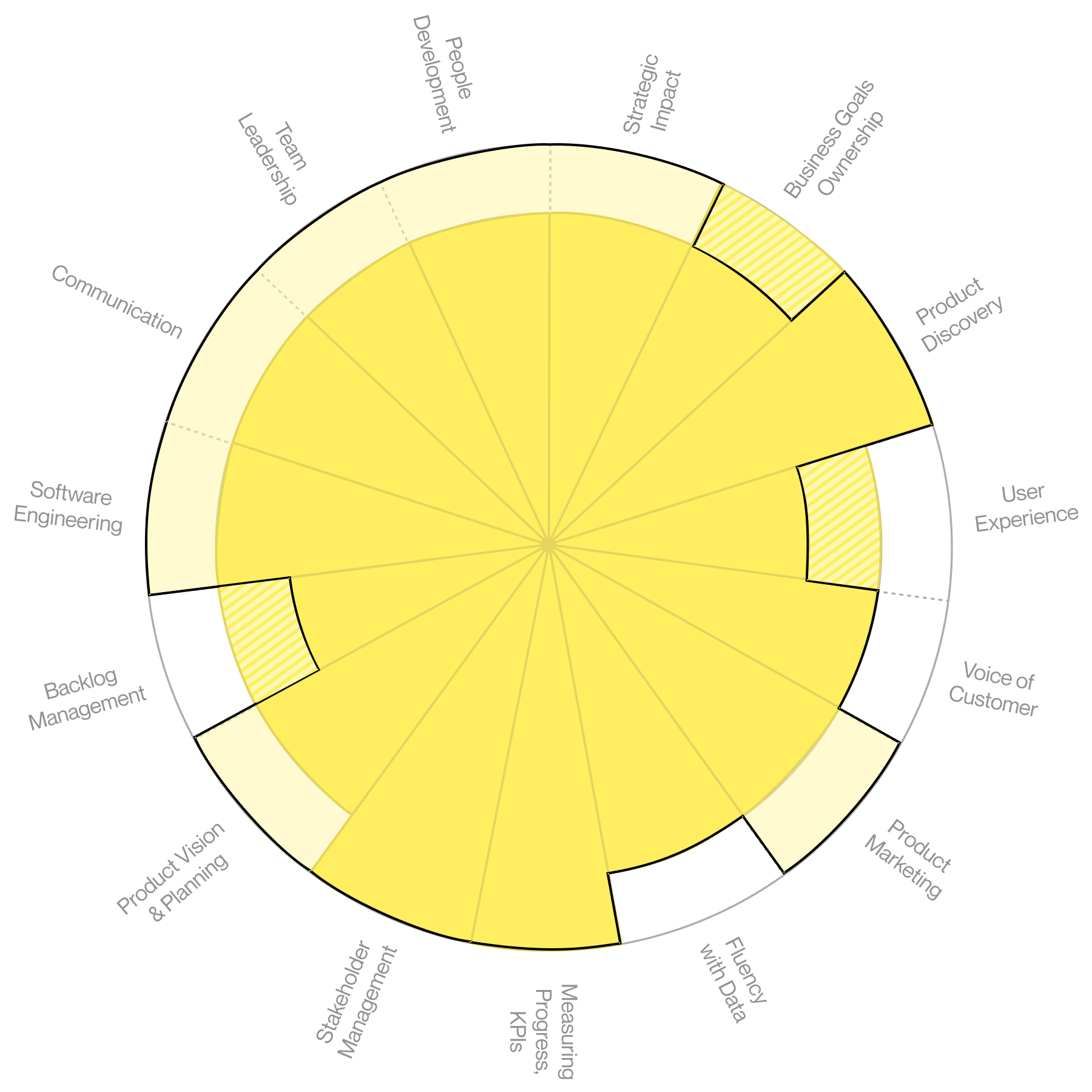
Product Management GradesSunburst

5 PM skill groups covering 15 essential product management skills
Product Management Grades: Associate PMProduct Management Grades: Mid-level PMProduct Management Grades: Senior PMProduct Management Grades: Product DirectorProduct Management Grades: C-level, CPO
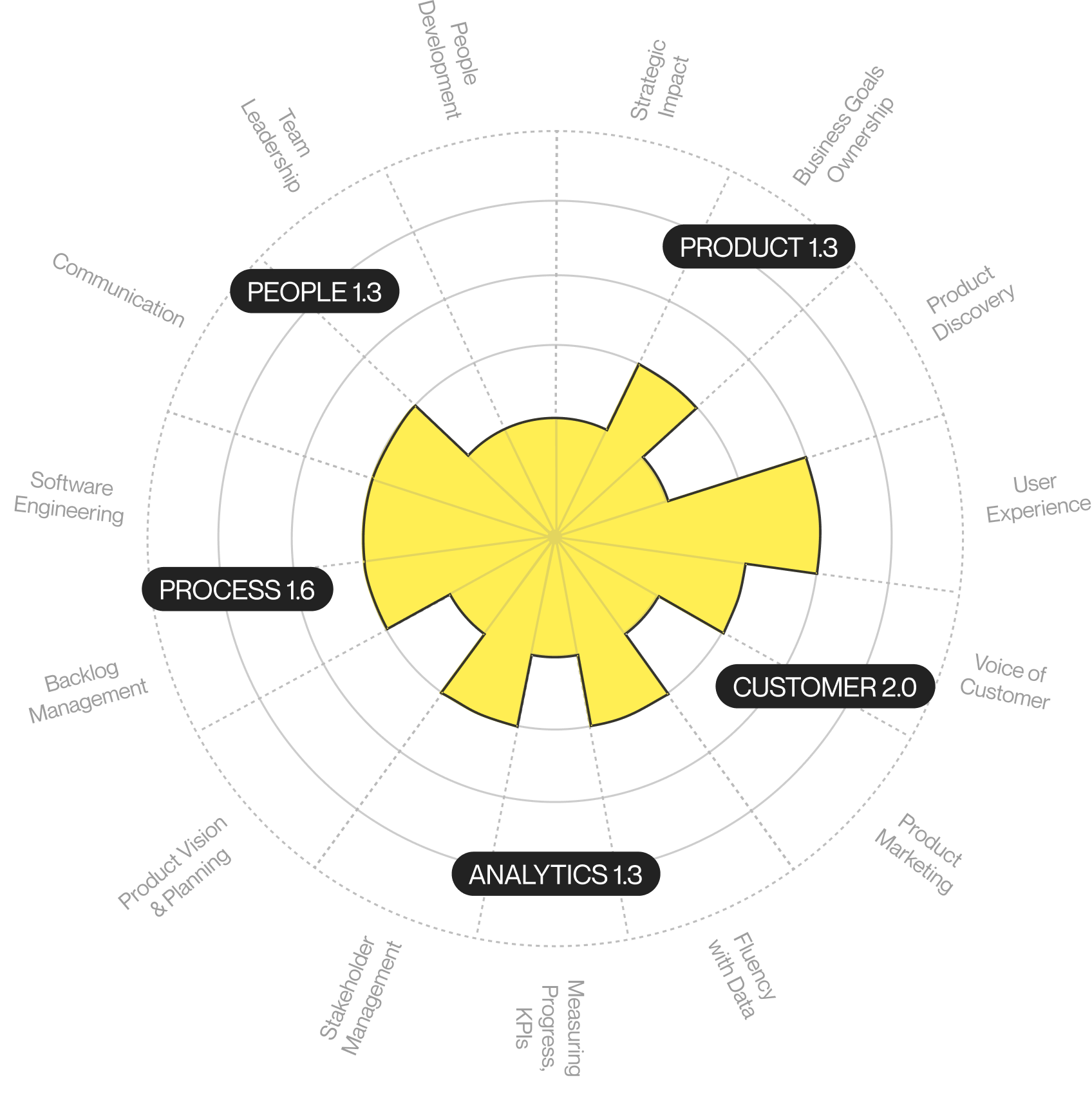
Associate PM
Entry-level PMs support discovery and delivery while building core PM habits. They help turn customer and stakeholder input into clear requirements. They keep execution moving by coordinating with design, engineering, and other partners. They also track progress, surface risks early, and keep everyone aligned on what ships next.

Key Responsibilities
Support discovery
Coordinate delivery
Share updates
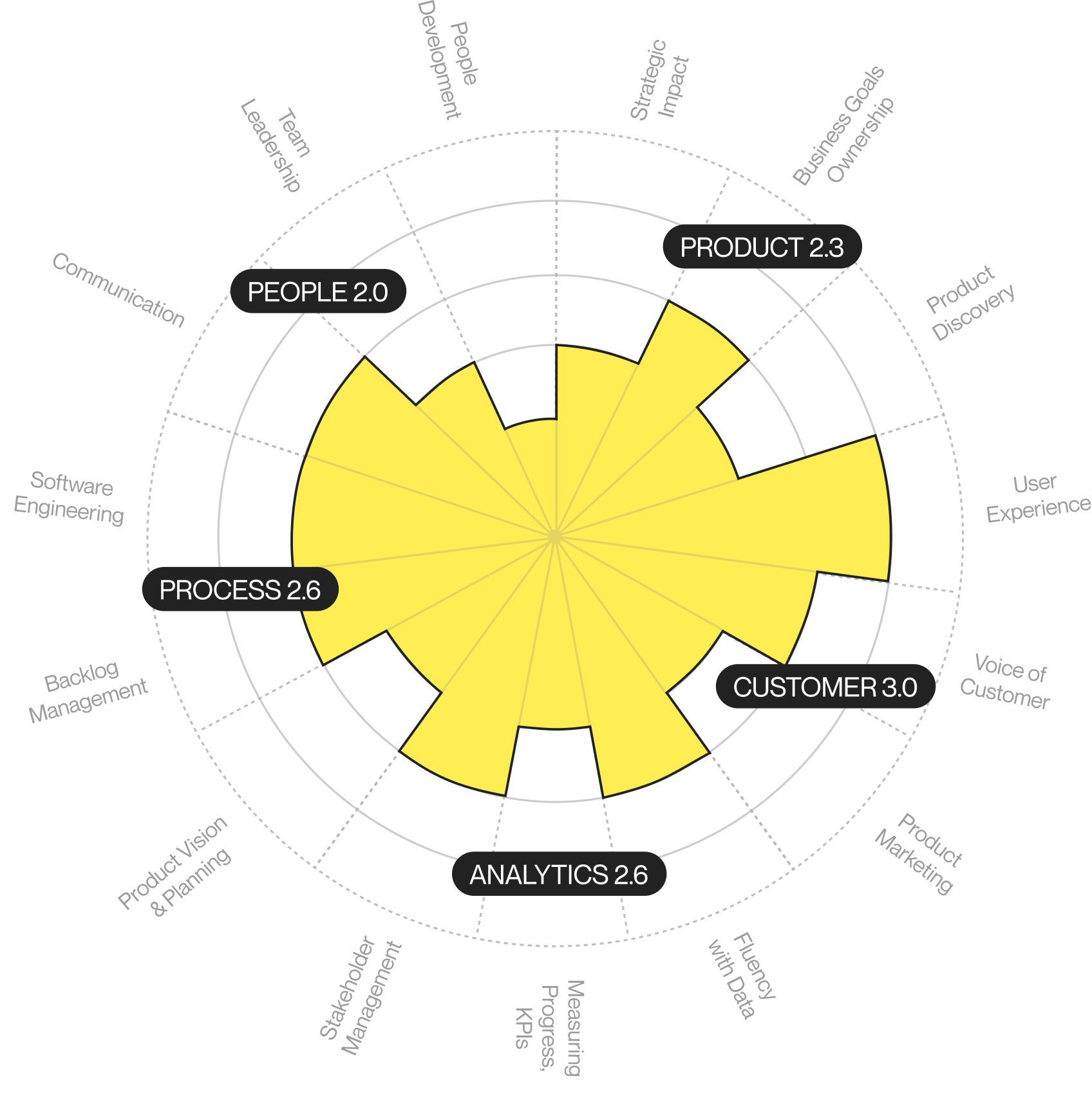
Mid-level PM
Mid-level PMs own a feature or product area from planning through launch. They set goals, define scope, and make priority calls with their team. They drive execution across engineering, design, analytics, and go-to-market partners. They use customer feedback and data to evaluate results, iterate, and improve outcomes over time.
Key Responsibilities
Own a product area
Drive execution
Measure BUSINESS outcomes
Senior PM
Senior PMs lead larger initiatives with higher stakes and wider impact. They set direction over longer time horizons and connect day-to-day work to strategy. They analyze market and customer needs to shape bets and influence company priorities. They mentor other PMs and raise the quality of decision-making across teams.
Key Responsibilities
Lead major initiatives
Shape strategy
Mentor other PMs
Director
Product directors oversee multiple product areas and the teams behind them. They set strategy and priorities across product lines and make trade-offs across teams. They manage and coach PMs, strengthen product processes, and improve how teams plan and execute. They align product direction with company goals and ensure teams ship toward shared outcomes.
Key Responsibilities
Lead multiple products
Manage team of PMs
Align company-level priorities
C-Level
 C-level product leaders define the company’s product vision and long-term strategy. They decide where to invest, what to say no to, and how success gets measured across the portfolio. They own the roadmap at the company level and align product, engineering, design, and commercial teams around it. They also lead the product organization, setting standards, operating rhythm, and talent strategy.
Key Responsibilities
Set product vision
Own the roadmap
Lead the org
Set processes
PM grade progression

Associate PM to CPO Path

Associate
Mid-level PM
Moving from entry-level PM to mid-level PM means shifting from supporting tasks to owning outcomes.
It’s a step from learning to leading.
Product
1.3
2.3
Shape product vision and strategy
Customer
2.0
3.0
Understand your customers
Analytics
1.6
2.6
Make data-driven decisions
Process
1.6
2.6
Optimize product workflows
People
1.3
2.0
Lead cross-functional teams
KEY tasks
Owns features or products from planning to delivery
Drives execution and cross-functional collaboration
Aligns product work with product strategy
Product Management Grades: Associate PM to Mid-level PM
Associate Product Manager
Mid-level Product Manager
Mid-level
Senior PM
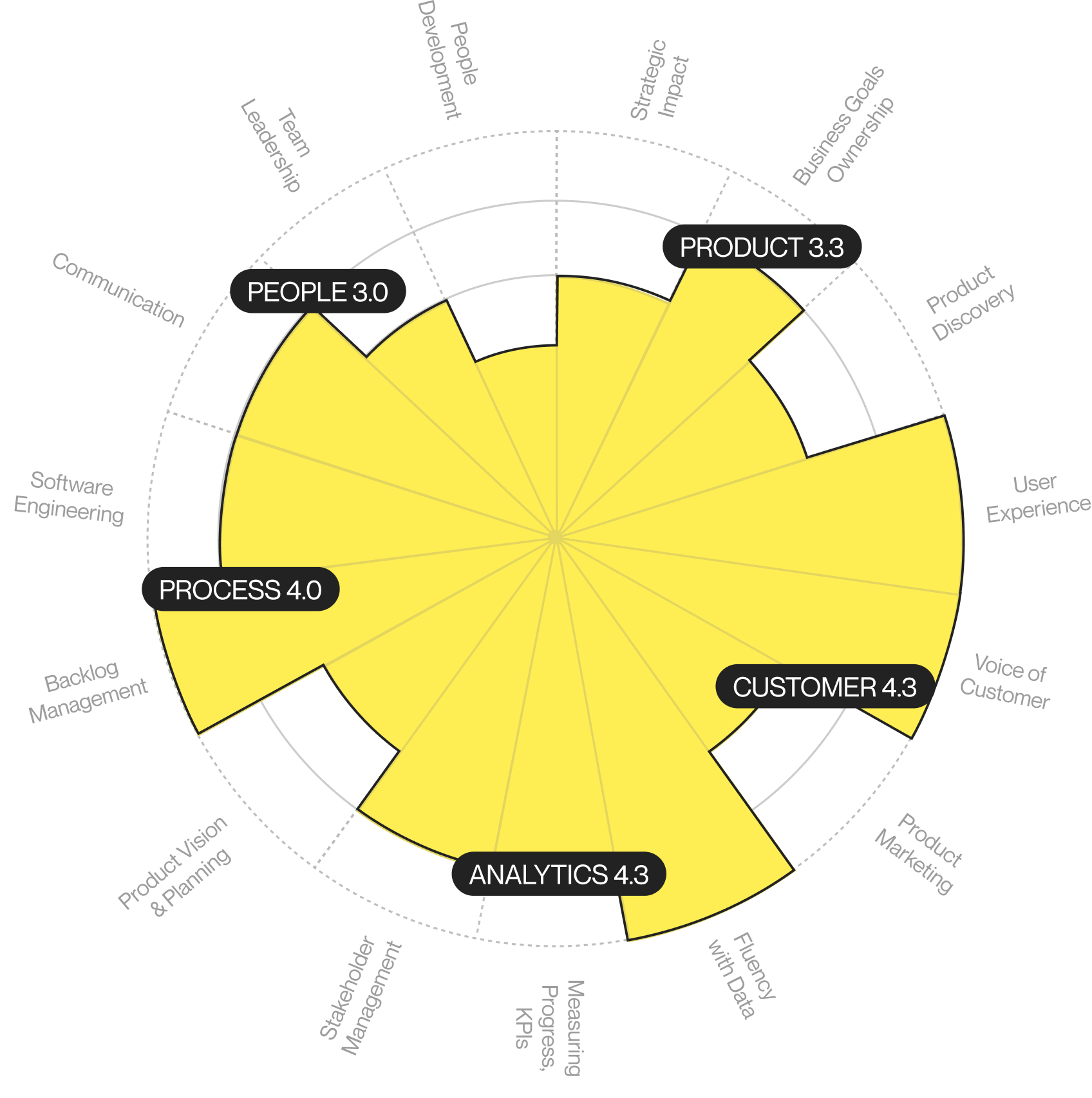
Moving from Middle to Senior PM means shifting from managing features to leading larger, strategic initiatives. It’s a move from delivering products to shaping direction.
Product
2.3
3.3
Shape product vision and strategy
Customer
3.0
4.3
Understand your customers
Analytics
2.6
4.3
Make data-driven decisions
Process
2.6
4.0
Optimize product workflows
People
2.0
3.0
Lead cross-functional teams
KEY tasks
Leads major product initiatives and sets direction
Analyzes markets and customer needs
Mentors and supports other PMs
Product Management Grades: Mid-level PM to Senior
Mid-level Product Manager
Senior Product Manager
Senior PM
Director
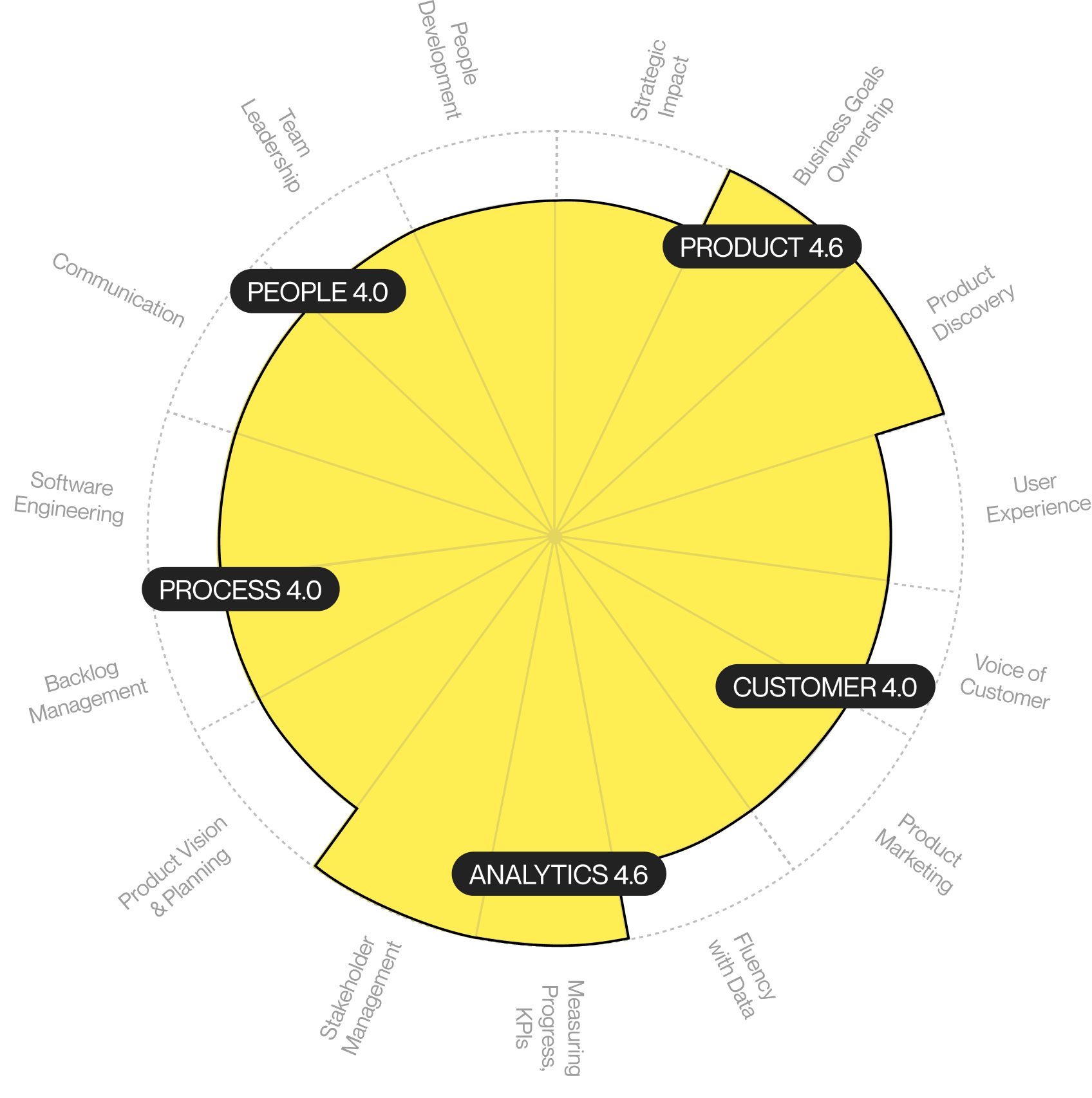
Moving from Senior PM to Product Director means going from leading individual products to overseeing multiple products and teams.
Product
3.3
4.6
Shape product vision and strategy
Customer
4.3
4.0
Understand your customers
Analytics
4.3
4.6
Make data-driven decisions
Process
4.0
4.0
Optimize product workflows
People
3.0
4.0
Lead cross-functional teams
KEY tasks
Oversees multiple products and teams
Sets strategy and priorities across product lines
Aligns teams with company and business goals
Product Management Grades: Senior PM to Product Director
Senior Product Manager
Product Director
Director
CPO
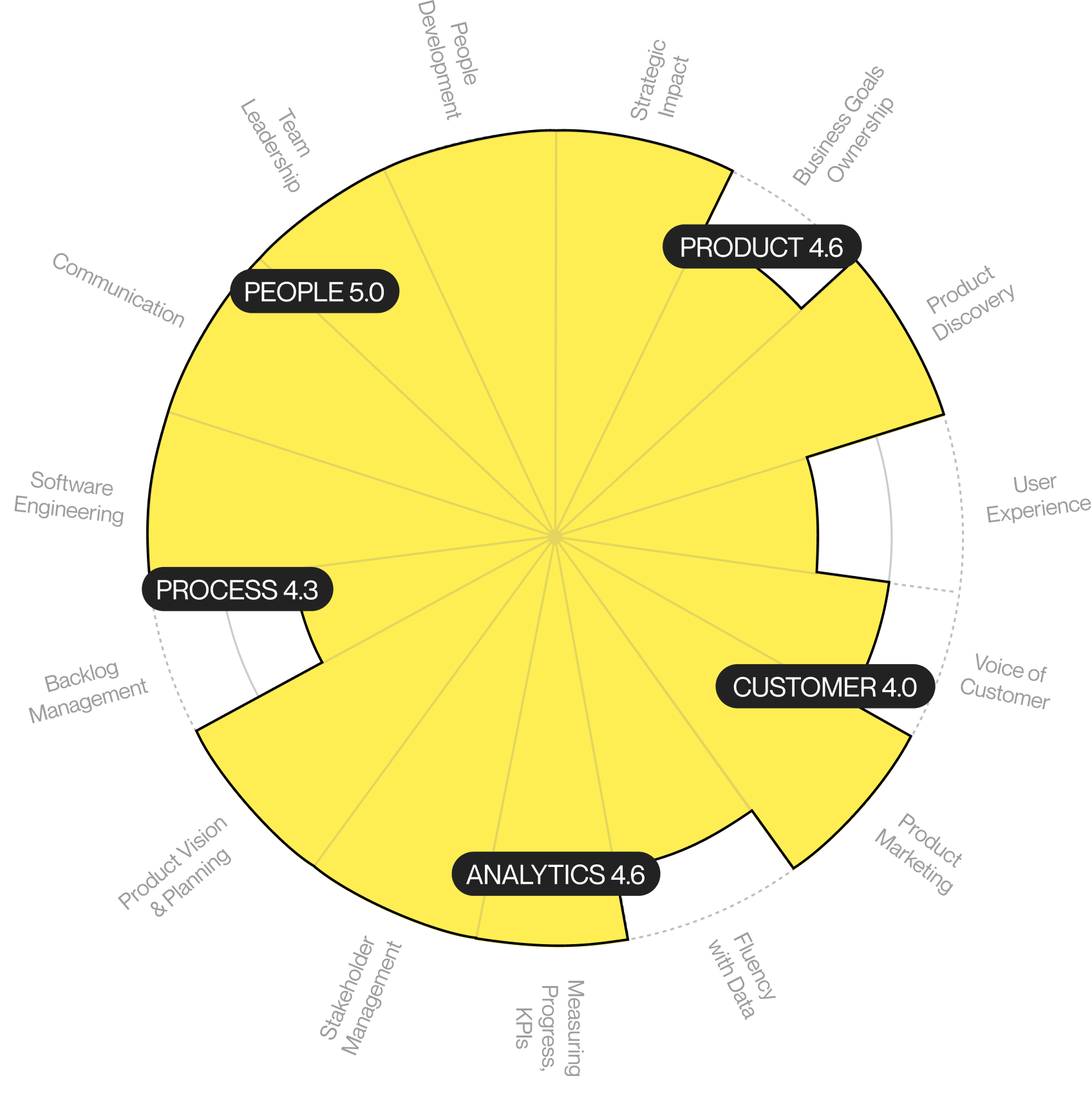
Transitioning to C-Level means moving from leading product teams to shaping the company’s product vision and direction.
Product
4.6
4.6
Shape products by defining vision
Customer
4.0
4.0
Understand your customers
Analytics
4.6
4.6
Make data-driven decisions
Process
4.0
4.3
Optimize product workflows
People
4.0
5.0
Lead cross-functional teams
KEY tasks
Defines company-wide product vision and strategy
Owns the long-term roadmap and business goals
Leads the entire product management organization
Product Management Grades: Director to CPO
Product Director
Chief Product Officer
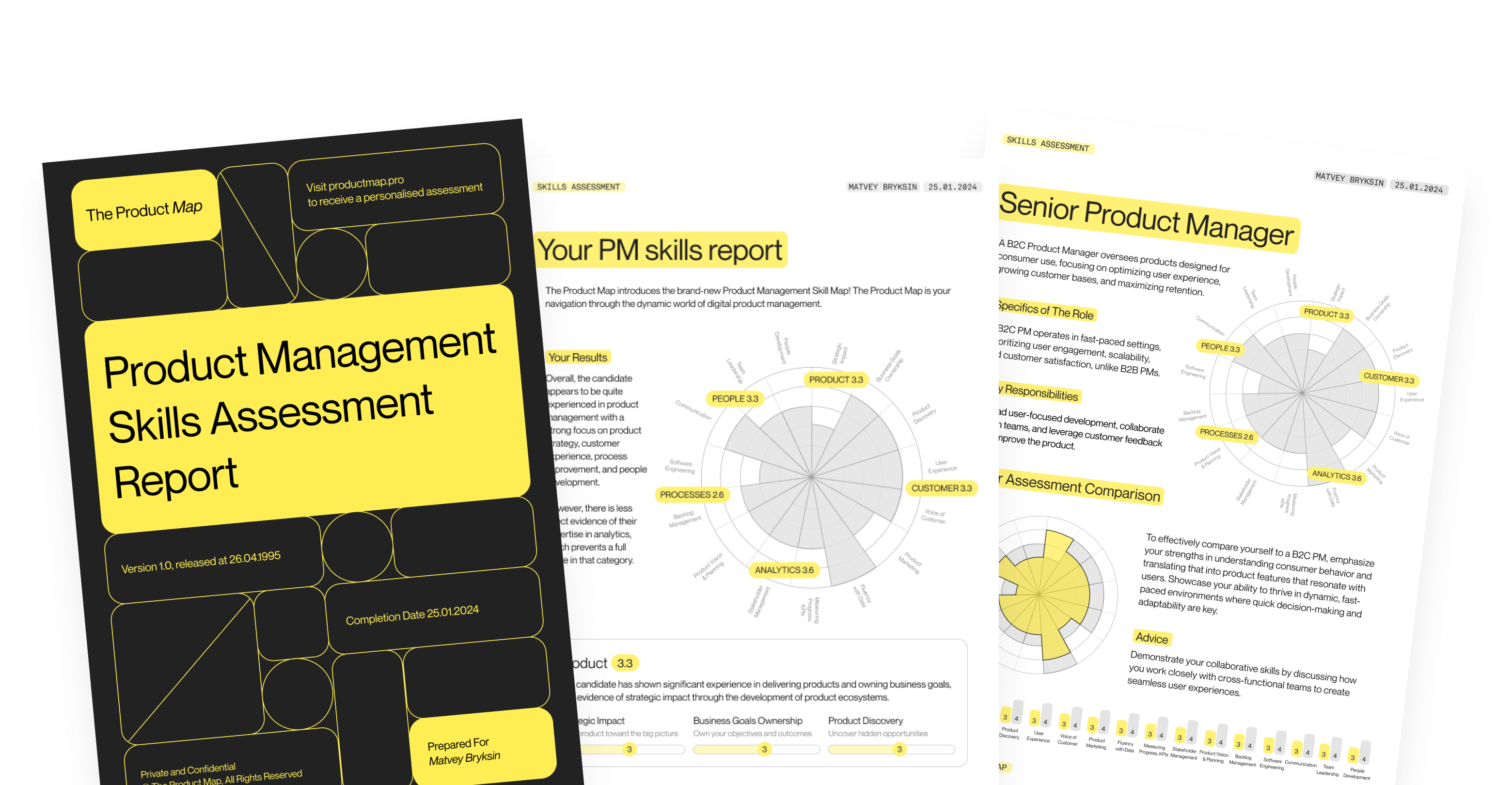
DETAILED REPORT

Identify where you stand on

and uncover growth areas

ADd-ON
50+ Pages
× Your PM profile and skill gap report
× Benchmarking by grade and PM role mapping
× Personalized progression model for each skill
Get Detailed Report – $49